Prodigy Robot 540
Entry-level Training Robot
Designed for recreational and beginner players, featuring adjustable trajectory and moderate speed and frequency ranges.


An early vision of automated sports training
Entry-level Training Robot
Designed for recreational and beginner players, featuring adjustable trajectory and moderate speed and frequency ranges.
Wireless-Control Training Robot
Introduced oscillation control and wireless remote operation for intermediate and competitive players.
Programmable Training System
Explored programmable drills, variable spin, and automated training sequences long before modern AI systems.
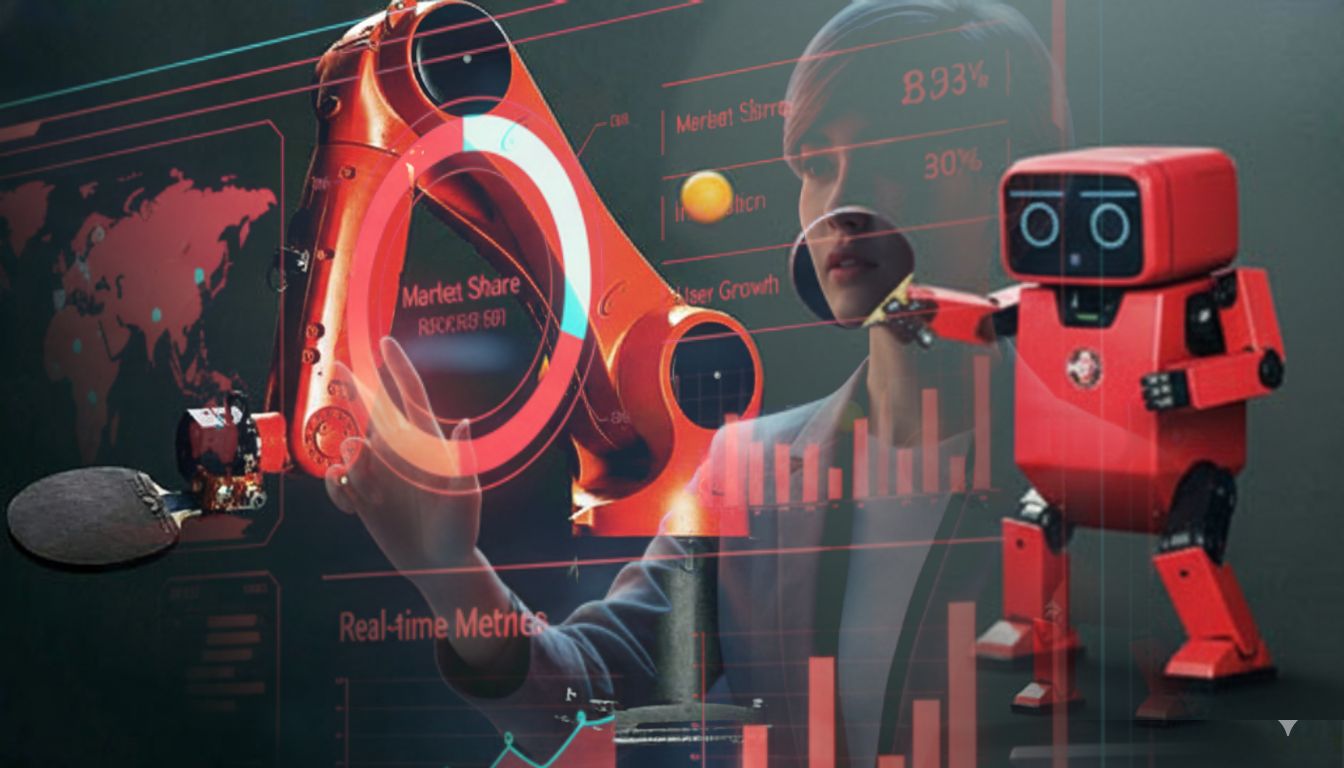
Developed in the mid-1980s, Prodigy Robot explored mechanical ball delivery, spin control, and speed variation at a time when digital control systems were limited.
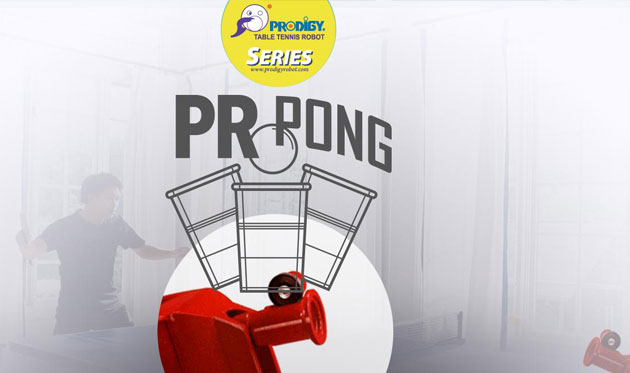
A variation focused on higher ball capacity and remote operation, examining usability and independent training workflows.
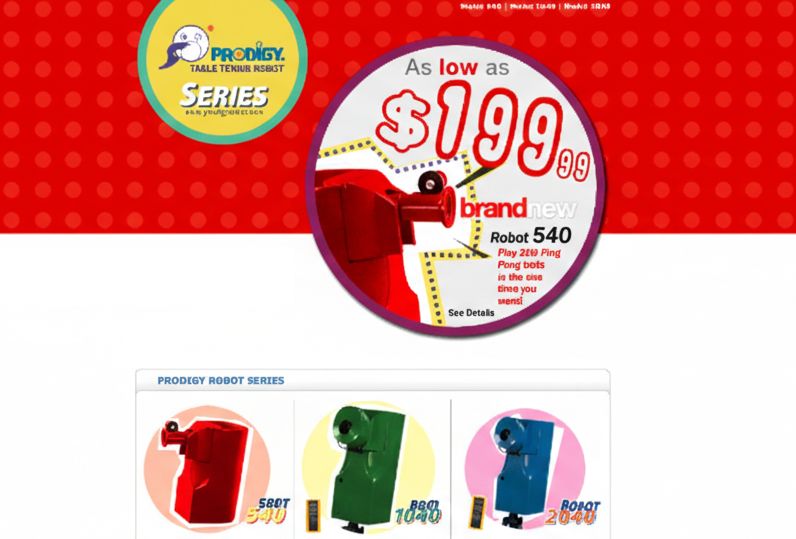
Prodigy Robot represents an early generation of sports training robotics, developed before modern sensors, cloud computing, and artificial intelligence.
Built in the mid-1980s, the project demonstrated that automated training was possible using mechanical systems and simplified control logic.
Though no longer in production, its engineering decisions and real-world deployment remain valuable references in robotics and human–machine interaction.
Many concepts explored were ahead of the available hardware and control technologies of the time.
Cost control, reliability, and consistency shaped the project’s lifecycle as much as engineering decisions.
Ease of setup, maintenance, and usability determined long-term acceptance.
Without modern sensors or AI, solutions relied on mechanical ingenuity and simplified logic.